
Introduction
Protein is an essential nutrient that plays a crucial role in maintaining overall health. From building strong muscles to supporting your immune system, protein is involved in almost every process in your body. However, many people struggle to consume enough protein daily, especially those following vegetarian or vegan diets. This is where a comprehensive protein rich foods list can make a significant difference. By knowing which foods are high in protein, you can plan meals more effectively and ensure your body gets the nutrients it needs.
Protein is not just for bodybuilders or athletes; it is vital for everyone. Including the right protein sources in your diet can help with weight management, improve energy levels, and even promote better skin, hair, and nail health. In this article, we will explore what protein is, why it is important, and provide a detailed list of protein-rich foods. Additionally, we will discuss the benefits, potential risks, common mistakes, and expert tips to maximize your protein intake. Whether you are a beginner trying to improve your diet or someone looking to enhance muscle growth, this guide will serve as a valuable resource.
By the end of this guide, you will have a clear understanding of the best protein sources and how to incorporate them into your daily routine. Let’s dive into the world of protein and explore the top foods that can boost your health naturally.
What is Protein?
Protein is one of the three macronutrients, alongside carbohydrates and fats, that your body requires for energy and proper functioning. Proteins are made up of amino acids, which are often referred to as the building blocks of life. There are 20 different amino acids, nine of which are essential because your body cannot produce them on its own.
Proteins are involved in a wide range of bodily functions:
- Muscle repair and growth: Proteins help rebuild tissues after exercise or injury.
- Enzyme production: Many enzymes in your body are made of protein and facilitate biochemical reactions.
- Hormone regulation: Proteins help create hormones that control processes such as metabolism and mood.
- Immune function: Antibodies, which fight infections, are made from protein.
The amount of protein you need depends on your age, activity level, and overall health. Generally, adults require about 0.8 grams of protein per kilogram of body weight per day. Athletes or individuals doing heavy physical activity may need more. Consuming a variety of protein-rich foods ensures that your body receives all essential amino acids for optimal health.
You May Also Like It
Daily Exercise Routine: A Simple Guide for a Healthier Life
Ways to Improve Mental Health: Simple and Practical Steps for Daily Life
Diet Plan for Healthy Life – Simple Steps to Stay Fit
Why is Protein Important?
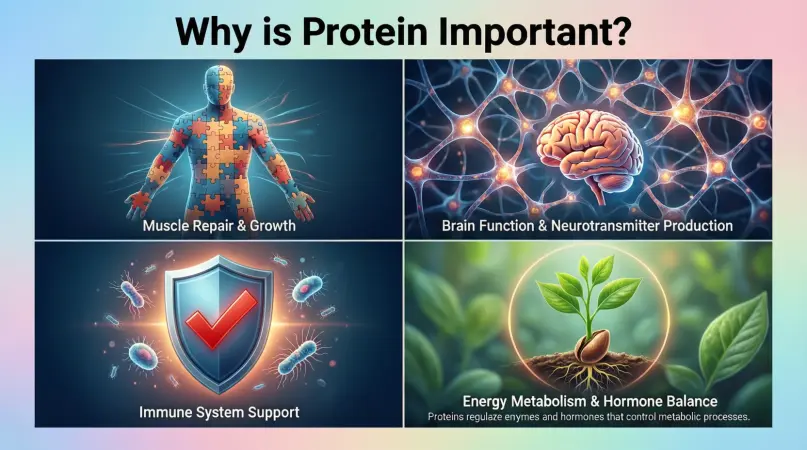
Protein is a cornerstone of good health. Its importance cannot be overstated, as it supports multiple systems in your body. Here are some key reasons why protein is essential:
- Supports Muscle Health: Protein is necessary for muscle repair and growth. Without sufficient protein, your muscles may weaken, and recovery from workouts can take longer.
- Aids Weight Management: Protein increases feelings of fullness, which can reduce overeating and assist in weight loss.
- Boosts Metabolism: Your body burns more calories digesting protein than carbohydrates or fats, contributing to a higher metabolic rate.
- Promotes Strong Bones: Protein intake supports bone density and reduces the risk of fractures, especially in older adults.
- Improves Hair, Skin, and Nails: Keratin, collagen, and other structural proteins rely on dietary protein for healthy growth.
- Maintains Overall Health: Proteins are crucial for the immune system, enzyme production, and hormone regulation.
In short, without enough protein, your body cannot function at its best. Including a diverse range of protein-rich foods in your diet ensures that all bodily systems operate efficiently.
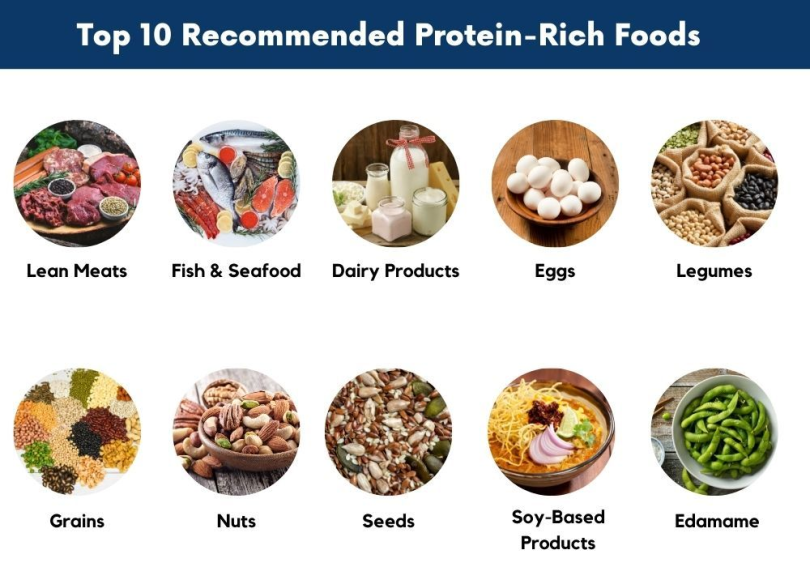
Detailed Step-by-Step Guide to Protein Rich Foods
To make it easy, we will divide the protein-rich foods list into categories, covering animal-based, plant-based, and dairy options.
1. Animal-Based Protein Sources
Animal-based proteins are considered complete proteins, meaning they contain all nine essential amino acids.
a) Meat
- Chicken breast: Lean, low-fat, and high in protein. One 100-gram serving provides around 31 grams of protein.
- Beef: Rich in protein, iron, and vitamin B12. Choose lean cuts to reduce saturated fat.
- Pork: A good source of protein, especially lean cuts like tenderloin.
b) Fish and Seafood
- Salmon: High in protein and omega-3 fatty acids. 100 grams offer around 22 grams of protein.
- Tuna: Lean protein source, ideal for salads and sandwiches.
- Shrimp: Low-calorie, high-protein option with around 24 grams of protein per 100 grams.
c) Eggs
- Whole eggs: Contain around 6 grams of protein per egg and essential vitamins.
- Egg whites: Almost pure protein, with minimal fat. Great for muscle building.
2. Dairy Protein Sources
Dairy products are excellent sources of protein and calcium.
- Greek yogurt: Contains about 10 grams of protein per 100 grams.
- Cottage cheese: High-protein option ideal for snacks or breakfast.
- Milk: A versatile source of protein; choose low-fat or skim options if desired.
- Cheese: Options like cheddar and mozzarella provide protein but watch the fat content.
3. Plant-Based Protein Sources
Plant proteins are essential for vegetarians and vegans. While some plant proteins are incomplete, combining different foods ensures all amino acids are covered.
a) Legumes
- Lentils: Around 9 grams of protein per 100 grams cooked.
- Chickpeas: Great for salads, hummus, or soups.
- Black beans and kidney beans: High-protein options for plant-based diets.
b) Nuts and Seeds
- Almonds: Around 21 grams of protein per 100 grams.
- Chia seeds: Packed with protein and fiber; great for smoothies.
- Pumpkin seeds: Protein-rich and full of essential minerals.
c) Whole Grains
- Quinoa: A complete protein with around 8 grams per cooked cup.
- Oats: Provide 11 grams of protein per 100 grams; ideal for breakfast.
- Brown rice: Moderate protein content and versatile in meals.
d) Soy Products
- Tofu: 8 grams of protein per 100 grams; highly versatile in cooking.
- Tempeh: Fermented soy with around 19 grams of protein per 100 grams.
- Edamame: Young soybeans; high in protein and fiber.
4. Protein Supplements (Optional)
While natural foods are preferred, protein powders can be helpful for convenience.
- Whey protein: Derived from milk, fast-digesting, ideal post-workout.
- Casein protein: Slow-digesting, perfect for overnight recovery.
- Plant-based protein powders: Options like pea, rice, or hemp protein for vegans.
Benefits of Protein
Including protein-rich foods in your diet offers several benefits:
- Builds and repairs muscles
- Supports healthy weight management
- Increases satiety and reduces cravings
- Boosts metabolism
- Strengthens bones
- Improves skin, hair, and nails
- Enhances immune system function
Disadvantages / Risks
While protein is essential, excessive intake can have some downsides:
- May strain kidneys in individuals with kidney disease
- Can lead to digestive issues like bloating or constipation if fiber intake is low
- Excess protein from animal sources may increase saturated fat intake
- Overreliance on protein powders can cause nutrient imbalance
Common Mistakes to Avoid
- Neglecting variety: Only eating one type of protein limits nutrient intake.
- Ignoring plant proteins: Vegetarians and vegans must combine sources for complete amino acids.
- Overeating protein: More isn’t always better; balance is key.
- Skipping other macronutrients: Carbs and fats are also essential.
- Not timing protein intake: Spreading protein throughout the day aids absorption.
You May Also Like It
Best Foods for Energy: Boost Your Vitality Naturally
Nutrition Tips for Beginners: Easy Guide for Healthy Eating
Healthy Diet for Weight Loss: A Simple and Practical Guide
FAQs
1. How much protein do I need daily?
Adults generally need 0.8 grams per kilogram of body weight. Athletes or those building muscle may need 1.2–2.0 grams per kilogram.
2. Can I get enough protein on a vegetarian diet?
Yes, by including legumes, nuts, seeds, soy products, and whole grains. Combining different plant sources ensures all essential amino acids.
3. Are protein shakes necessary?
Not for everyone. They are convenient for busy individuals or athletes but should complement whole foods, not replace them.
4. Is too much protein harmful?
Excessive protein can strain kidneys in people with pre-existing kidney issues and may cause digestive discomfort. Balanced intake is safest.
5. Which is better: animal or plant protein?
Both have benefits. Animal proteins are complete, while plant proteins offer fiber and antioxidants. Combining both can maximize health.
6. What are the best snacks high in protein?
Greek yogurt, cottage cheese, nuts, boiled eggs, edamame, or protein bars are excellent choices.
7. How to increase protein intake without gaining extra calories?
Choose lean meats, low-fat dairy, legumes, and avoid processed protein foods high in sugar or fat.
8. Can protein help with weight loss?
Yes, protein increases satiety, preserves muscle mass during weight loss, and boosts metabolism.
Expert Tips & Bonus Points
- Spread protein intake: Consume protein in every meal for optimal absorption.
- Combine plant proteins: Pair beans with rice or nuts with grains for complete amino acids.
- Choose lean options: For animal proteins, select chicken, turkey, or fish to reduce fat intake.
- Use high-protein snacks: Keep nuts, seeds, or Greek yogurt handy to avoid low-protein meals.
- Incorporate variety: Rotate between animal, dairy, and plant proteins to ensure diverse nutrient intake.
- Cook creatively: Add protein powders to smoothies, soups, or oatmeal without altering flavor.
Conclusion
A well-balanced diet rich in protein is essential for overall health, muscle growth, weight management, and energy. By understanding which foods are protein-rich, you can plan meals that support your body’s needs. From lean meats and fish to legumes, nuts, and dairy, there is a wide variety of protein sources suitable for every lifestyle.
Following a protein rich foods list ensures that you get adequate protein daily while enjoying diverse and nutritious meals. Avoid common mistakes like over-relying on one protein source or skipping plant-based options. Incorporating protein into every meal, choosing lean options, and balancing it with other nutrients can help you achieve your health goals effectively.
You May Also Like It
Balanced Diet Plan: A Simple and Practical Guide for Everyday Health
Signs of Depression: A Clear and Simple Guide for Everyone
Mental Health Self Care: A Simple and Practical Guide for Everyday Life