
Introduction
Feeling tired, sluggish, or low on energy is a common struggle in today’s fast-paced world. Many people turn to coffee, energy drinks, or quick snacks for a temporary boost, but these often lead to crashes and leave you feeling worse later. The real solution lies in choosing the best foods for energy—foods that nourish your body, stabilize blood sugar, and provide sustained vitality throughout the day.
Eating the right foods not only helps you stay physically active but also improves mental clarity, focus, and mood. The body relies on nutrients such as carbohydrates, proteins, healthy fats, vitamins, and minerals to convert food into energy. When you prioritize energy-boosting foods in your diet, you can naturally feel more alert, productive, and healthier overall.
This article will guide you step by step through the world of energizing foods. You will learn what these foods are, why they are important, their benefits, potential risks, common mistakes, and expert tips to maximize energy. Whether you are a beginner trying to improve daily stamina or someone who wants to maintain consistent energy levels, this guide has everything you need.
By the end of this article, you will understand how to incorporate the best foods for energy into your daily routine and avoid common pitfalls that make fatigue worse. Let’s dive into the world of natural energy boosters!
What is the Best Foods for Energy?
When we talk about the best foods for energy, we mean foods that provide long-lasting fuel for the body. These are nutrient-rich foods that help maintain stable blood sugar levels, support metabolism, and reduce fatigue.
Energy comes from the calories in food, but not all calories are equal. Some foods cause quick spikes in blood sugar followed by crashes, leaving you tired. On the other hand, energy-boosting foods release energy gradually, ensuring you feel alert for longer periods.
The main categories of these foods include:
- Complex carbohydrates – provide slow-release energy
- Proteins – repair tissues and keep energy steady
- Healthy fats – support brain function and long-term stamina
- Vitamins & minerals – support metabolism and oxygen transport
Examples include whole grains, fruits, nuts, seeds, eggs, lean meats, legumes, and vegetables. These foods are versatile, easy to include in meals, and cater to a wide variety of tastes and dietary preferences.
You May Also Like It
Daily Exercise Routine: A Simple Guide for a Healthier Life
Protein Rich Foods List for Health & Muscle
Diet Plan for Healthy Life – Simple Steps to Stay Fit
Why is the Best Foods for Energy Important?
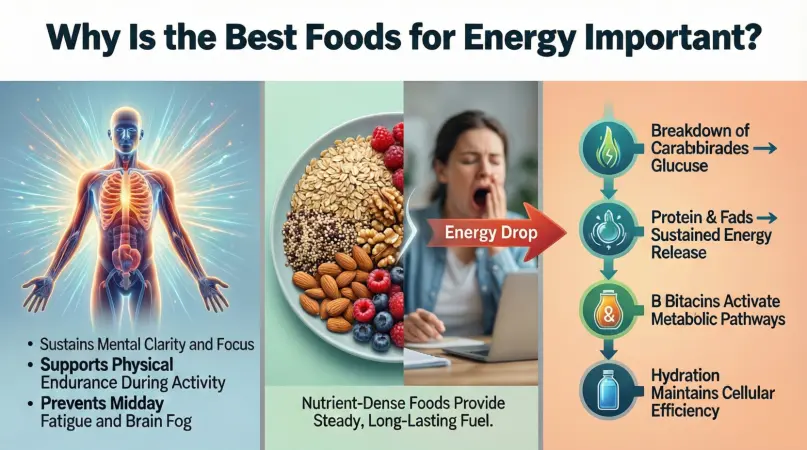
Choosing the best foods for energy is important for several reasons:
- Improved Focus and Productivity – Low energy affects your concentration. Eating the right foods helps you stay sharp.
- Sustained Physical Activity – Athletes and active individuals rely on nutrient-rich foods to perform well.
- Stable Mood – Fluctuating energy levels can lead to irritability and stress. Proper nutrition stabilizes your mood.
- Better Health – Energy-boosting foods often contain antioxidants, fiber, and essential nutrients that reduce the risk of chronic diseases.
- Weight Management – Balanced energy intake prevents overeating and reduces cravings for unhealthy snacks.
In short, your daily food choices directly affect your energy, mental clarity, and overall well-being. By making informed choices, you can enjoy a healthier, more active, and productive lifestyle.
Detailed Step-by-Step Guide to the Best Foods for Energy
To maximize energy, it’s not just about eating a few superfoods—it’s about creating a balanced routine. Here’s a detailed guide:
Step 1: Start with a Strong Breakfast
Breakfast sets the tone for your energy levels. Choose foods that combine complex carbs, protein, and healthy fats.
- Examples:
- Oatmeal with nuts and berries
- Whole-grain toast with avocado and eggs
- Greek yogurt with chia seeds and fruit
Avoid sugary cereals or pastries, as they cause quick energy spikes followed by crashes.
Step 2: Focus on Complex Carbohydrates
Carbs are the body’s primary energy source. Complex carbohydrates release energy slowly.
- Best options:
- Brown rice, quinoa, and barley
- Whole-grain pasta and bread
- Sweet potatoes and oats
- Lentils and beans
These foods keep blood sugar stable and help you maintain energy for hours.
Step 3: Include Lean Proteins
Protein supports muscle repair and keeps energy steady. It also prevents sudden hunger that leads to energy dips.
- Good protein sources:
- Eggs, lean chicken, turkey
- Tofu, tempeh, and legumes
- Fish like salmon and tuna
- Greek yogurt and cottage cheese
Protein can be added to every meal, from breakfast to dinner, to maintain consistent energy.
Step 4: Don’t Forget Healthy Fats
Healthy fats are a slow-burning energy source. They also support brain function and heart health.
- Include:
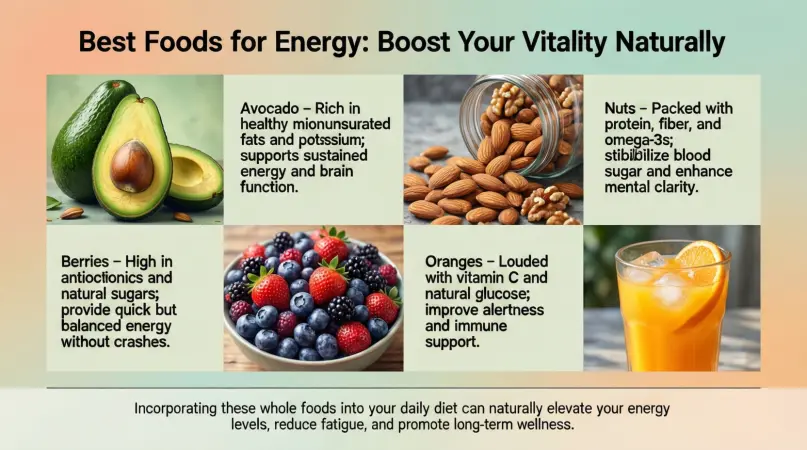
- Nuts and seeds (almonds, walnuts, flaxseeds)
- Avocado
- Olive oil and coconut oil
- Fatty fish
Fats should complement your meals rather than dominate them. A handful of nuts or a drizzle of olive oil can make a big difference.
Step 5: Eat Fruits and Vegetables
Fruits and vegetables provide essential vitamins, minerals, and antioxidants that boost energy naturally.
- Top energy-boosting choices:
- Bananas – rich in potassium
- Berries – high in antioxidants
- Spinach and kale – full of iron and magnesium
- Citrus fruits – vitamin C supports energy metabolism
Include at least 2–3 servings of fruits and 3–5 servings of vegetables daily.
Step 6: Stay Hydrated
Dehydration is a common cause of fatigue. Water is essential for metabolism and energy production.
- Tips:
- Drink 8–10 glasses of water daily
- Include herbal teas or infused water for variety
- Limit sugary drinks and excessive caffeine
Even mild dehydration can reduce energy and focus, so hydration is key.
Step 7: Time Your Meals Strategically
Eating too much or too little can affect energy levels. Timing meals and snacks can help maintain consistent energy.
- Suggestions:
- Eat breakfast within 1–2 hours of waking
- Have small snacks between meals if needed (nuts, fruit, yogurt)
- Avoid heavy late-night meals that disturb sleep
This approach prevents energy crashes and supports steady metabolism.
Benefits of the Best Foods for Energy
Eating the right energy-boosting foods offers numerous advantages:
- Sustained energy throughout the day
- Improved mental clarity and focus
- Better physical performance during workouts or daily activities
- Mood stability and reduced irritability
- Support for weight management
- Reduced risk of chronic illnesses like diabetes and heart disease
- Enhanced immune function through nutrient-rich foods
Disadvantages / Risks
While the best foods for energy are generally safe, some risks exist if mismanaged:
- Overeating healthy foods can lead to weight gain
- Allergies or sensitivities to nuts, dairy, or gluten
- Improper balance of nutrients may reduce energy efficiency
- High-calorie fats can affect heart health if consumed excessively
Moderation and variety are key to avoiding these risks.
Common Mistakes to Avoid
Even healthy foods can backfire if not used wisely:
- Skipping breakfast – leads to low energy and poor focus
- Relying on sugar for quick energy – causes crashes
- Ignoring hydration – even mild dehydration affects performance
- Eating processed “energy” snacks – often low in nutrients
- Not balancing macronutrients – missing protein, fat, or carbs can reduce energy
- Overeating at once – can make you sluggish instead of energized
Avoiding these mistakes ensures that your energy levels stay stable throughout the day.
You May Also Like It
Ways to Improve Mental Health: Simple and Practical Steps for Daily Life
Nutrition Tips for Beginners: Easy Guide for Healthy Eating
Healthy Diet for Weight Loss: A Simple and Practical Guide
FAQs About the Best Foods for Energy
1. Can food really improve my energy levels?
Yes. Foods provide the nutrients your body needs to create energy. Complex carbs, proteins, and healthy fats are essential for sustained vitality.
2. Are energy drinks a good alternative?
Energy drinks provide a temporary boost but often cause crashes, dehydration, and jitters. Natural foods are safer and more effective long-term.
3. Which fruits are best for energy?
Bananas, apples, oranges, and berries are top choices. They provide natural sugars, fiber, and essential vitamins.
4. How important is protein for energy?
Protein helps maintain steady energy, supports muscle repair, and prevents sudden hunger that can lead to fatigue.
5. Can hydration really affect energy?
Absolutely. Even mild dehydration can reduce focus, mood, and physical performance. Drinking enough water is crucial.
6. How often should I eat to maintain energy?
Ideally, three balanced meals plus 1–2 healthy snacks daily. Avoid long gaps that can lead to energy dips.
7. Are there foods I should avoid for energy?
Yes. Highly processed snacks, sugary treats, and excessive caffeine can cause short-term spikes followed by crashes.
8. Can vegetables really boost energy?
Yes. Leafy greens and nutrient-dense vegetables supply vitamins, minerals, and antioxidants that support metabolism and stamina.
Expert Tips & Bonus Points
- Combine foods wisely: Pair complex carbs with protein or healthy fats for longer-lasting energy.
- Include iron-rich foods: Iron helps transport oxygen to muscles, improving energy. Examples: spinach, lentils, red meat.
- Snack smartly: Nuts, yogurt, and fruit are better than chips or candy.
- Limit refined sugar: Opt for natural sweeteners like honey or dates if needed.
- Experiment with timing: Some people benefit from smaller meals every 3–4 hours rather than three large meals.
- Monitor caffeine intake: Coffee is fine in moderation but avoid relying on it for energy.
- Get enough sleep: Food boosts energy, but nothing replaces quality rest.
Conclusion
Eating the best foods for energy is a simple yet powerful way to improve your life. By choosing complex carbohydrates, lean proteins, healthy fats, fruits, and vegetables, you can experience sustained energy, improved focus, and better mood. Avoid quick fixes like sugar, processed snacks, and excessive caffeine, which only lead to crashes.
Energy is not just about food—it’s about balance. Timing meals, staying hydrated, and pairing foods properly can maximize the benefits. With the tips and guidance in this article, anyone can create an energy-friendly diet that fits their lifestyle.
Making small, consistent changes in your diet can transform your daily energy levels, productivity, and overall well-being. Start today by including one or two energy-boosting foods in every meal. Over time, these choices will become habits that support a healthier, more active, and vibrant life.
Remember, true energy comes from nourishing your body with the right foods, staying hydrated, and maintaining a balanced routine. By focusing on these principles, you can enjoy natural, lasting energy every day.
You May Also Like It
Balanced Diet Plan: A Simple and Practical Guide for Everyday Health
Signs of Depression: A Clear and Simple Guide for Everyone
Mental Health Self Care: A Simple and Practical Guide for Everyday Life