
Introduction
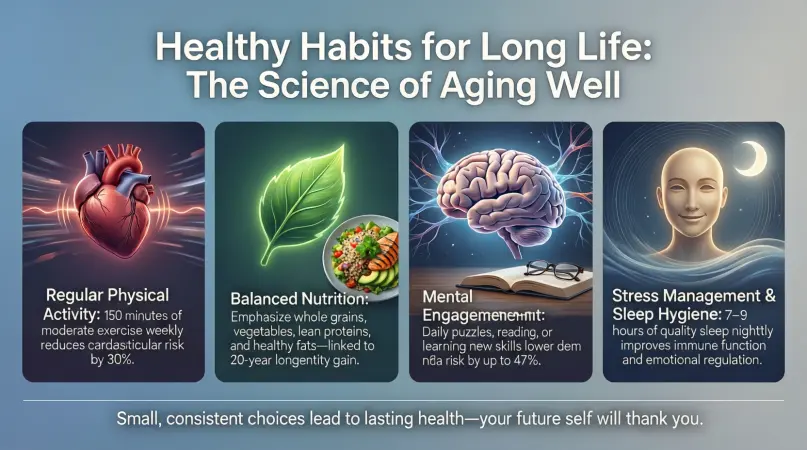
Living a long and healthy life is something everyone dreams of, but achieving it requires more than just luck. Adopting healthy habits for long life is the key to enhancing your overall well-being, boosting energy, and reducing the risk of chronic diseases. Simple lifestyle changes can make a big difference, whether you are 20 or 60 years old. These habits include everything from what you eat, how you move, and even how you manage stress.
Most people think that staying healthy means strict diets or expensive routines. In reality, it’s about consistency and making small, manageable changes every day. Focusing on the right habits now can add years to your life while improving the quality of those years. Whether it’s choosing nutritious foods, exercising regularly, sleeping well, or managing stress, each healthy habit contributes to longevity.
In this article, we will explore what healthy habits for long life truly mean, why they are important, and how to adopt them effectively. You’ll learn step-by-step guidance on creating a lifestyle that supports both your physical and mental health. Additionally, we will highlight the benefits, potential risks, common mistakes, and expert tips that make following these habits easier and more practical. By the end of this guide, you will have a clear roadmap for living a longer, healthier, and happier life.
What is Healthy Habits for Long Life?
Healthy habits for long life refer to daily actions and routines that support physical, mental, and emotional well-being. These habits are not temporary diets or exercise trends—they are sustainable practices that can be maintained throughout your lifetime. Examples include eating balanced meals, staying physically active, avoiding harmful substances, and fostering positive relationships.
Healthy habits also include preventive measures, such as regular health checkups and monitoring risk factors for diseases. In essence, these habits are a lifestyle choice designed to enhance longevity while improving quality of life. By integrating these practices into your daily routine, you strengthen your body’s defenses, maintain energy levels, and support overall health.
You May Also Like It
Daily Exercise Routine: A Simple Guide for a Healthier Life
Protein Rich Foods List for Health & Muscle
Diet Plan for Healthy Life – Simple Steps to Stay Fit
Why is Healthy Habits for Long Life Important?
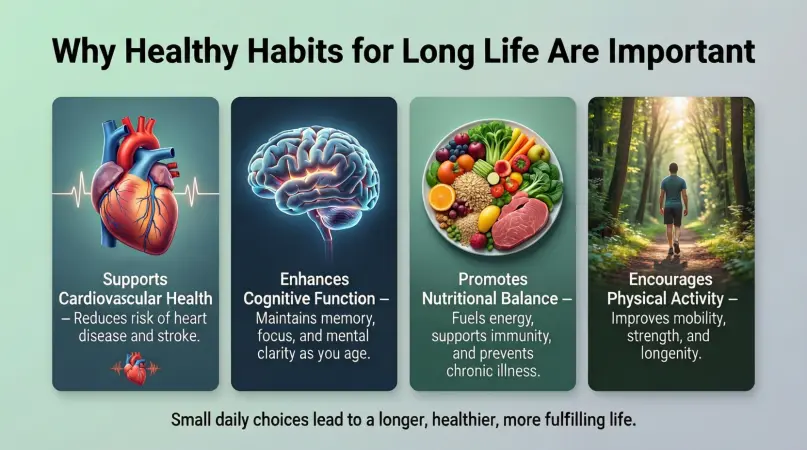
- Prevents Chronic Diseases
Habits like balanced nutrition, regular exercise, and proper sleep reduce the risk of heart disease, diabetes, and obesity. - Boosts Mental Health
Mental well-being is closely linked to lifestyle. Healthy habits like meditation, social interactions, and sufficient sleep enhance brain function and emotional resilience. - Enhances Energy and Vitality
Regular movement, hydration, and a nutrient-rich diet keep your body energized, helping you feel active throughout the day. - Supports Longevity
Consistently practicing healthy habits increases life expectancy by minimizing health risks and improving the body’s natural defenses. - Improves Quality of Life
Living longer is meaningful only if those years are healthy. Good habits reduce pain, maintain mobility, and foster independence as you age.
Detailed Step-by-Step Guide
1. Balanced Nutrition
Eating a healthy diet is the cornerstone of long life. Focus on:
- Fruits and vegetables: Aim for at least 5 servings a day. They are rich in vitamins, minerals, and antioxidants.
- Whole grains: Choose oats, brown rice, and whole wheat over processed foods.
- Lean proteins: Fish, chicken, beans, and legumes support muscle health and repair tissues.
- Healthy fats: Olive oil, nuts, and avocados promote heart health.
- Limit sugar and processed foods: Excess sugar leads to weight gain and chronic diseases.
Example: Swap sugary snacks with fresh fruit or nuts for a nutritious, energy-boosting alternative.
2. Regular Physical Activity
Exercise is essential for maintaining heart health, flexibility, and weight management. Recommendations:
- Aerobic exercises: Walking, cycling, or swimming for at least 150 minutes per week.
- Strength training: Twice a week to build muscles and maintain bone density.
- Stretching and flexibility: Yoga or stretching exercises prevent stiffness and improve mobility.
Example: A 30-minute brisk walk daily can significantly reduce the risk of cardiovascular disease.
3. Adequate Sleep
Sleep is vital for recovery, mental clarity, and hormonal balance. Tips:
- Adults need 7–9 hours of quality sleep every night.
- Maintain a consistent sleep schedule, even on weekends.
- Create a sleep-friendly environment: cool, dark, and quiet room.
- Limit screen time before bedtime to improve sleep quality.
4. Stress Management
Chronic stress can lead to physical and mental health problems. Techniques:
- Meditation and deep breathing for relaxation.
- Hobbies and leisure activities to unwind.
- Social connections help reduce feelings of isolation and anxiety.
- Time management prevents overwhelming workloads.
5. Hydration
Drinking enough water is crucial for digestion, detoxification, and energy levels.
- Drink 6–8 glasses of water per day.
- Include water-rich foods like cucumbers, melons, and oranges.
- Avoid excessive sugary drinks or soda.
6. Avoid Harmful Substances
Limiting or eliminating harmful substances preserves long-term health:
- Avoid smoking and tobacco products.
- Limit alcohol consumption.
- Reduce intake of processed and junk foods.
7. Regular Health Checkups
Prevention is better than cure. Regular checkups help detect problems early:
- Blood pressure, cholesterol, and sugar level checks.
- Cancer screenings like mammograms or colonoscopies if age-appropriate.
- Vaccinations to prevent diseases.
8. Positive Mindset and Social Life
Mental well-being supports longevity:
- Stay optimistic and practice gratitude.
- Maintain strong relationships with family and friends.
- Volunteer or participate in community activities.
Benefits of Healthy Habits for Long Life
- Reduced risk of chronic illnesses
- Enhanced mental clarity and focus
- Improved physical fitness and mobility
- Stronger immune system
- Increased energy and stamina
- Better emotional resilience and mood
- Longer lifespan with quality years
Disadvantages / Risks
- Requires consistency and dedication
- Initial lifestyle changes may feel challenging
- Over-exercising or extreme diets can be harmful
- Social pressures or busy schedules may interfere
- Health improvements may take time to notice
Common Mistakes to Avoid
- Skipping meals or following fad diets.
- Ignoring mental health and stress management.
- Relying solely on supplements instead of real food.
- Overtraining without rest days.
- Neglecting hydration.
- Avoiding preventive health checkups.
You May Also Like It
Best Foods for Energy: Boost Your Vitality Naturally
Nutrition Tips for Beginners: Easy Guide for Healthy Eating
Healthy Diet for Weight Loss: A Simple and Practical Guide
FAQs
1. How quickly can healthy habits impact life expectancy?
Results vary, but positive changes like improved diet and exercise can show benefits in a few months and long-term impact on longevity within years.
2. Can I start healthy habits at any age?
Yes, it’s never too late. Even small changes in your 50s or 60s can significantly improve health and quality of life.
3. How do I stay motivated to follow these habits?
Set realistic goals, track progress, reward achievements, and seek support from family or friends.
4. Are supplements necessary for a long life?
Supplements can help if there’s a deficiency, but a balanced diet should provide most nutrients naturally.
5. How important is mental health for longevity?
Very important. Chronic stress and negative emotions can shorten life expectancy, while positive thinking and stress management support long life.
6. Can I skip exercise if I eat healthy?
Exercise has unique benefits like improving heart health, flexibility, and mood, which cannot be replaced solely by diet.
7. How much water should I drink daily?
6–8 glasses is recommended, but it depends on activity levels, climate, and body size. Hydration is key for all bodily functions.
8. What is the most important habit for longevity?
There is no single habit; a combination of nutrition, exercise, sleep, stress management, and social connections is most effective.
Expert Tips & Bonus Points
- Plan your meals to avoid unhealthy food choices.
- Incorporate movement into daily life, like using stairs or walking short distances.
- Practice mindfulness to reduce stress.
- Get sunlight exposure for vitamin D and mood enhancement.
- Limit screen time to avoid eye strain and sleep issues.
- Keep a gratitude journal to boost mental health.
Conclusion
Adopting healthy habits for long life is not about perfection but about making consistent, small changes that accumulate over time. Eating nutritious foods, staying active, sleeping well, managing stress, and nurturing social connections all contribute to a longer, more fulfilling life. While challenges exist, the benefits far outweigh the difficulties.
Remember, longevity is not just about adding years to life, but adding life to years. By following the steps outlined in this guide, you can build a strong foundation for lasting health. Start today with one habit, and gradually include others into your routine. Over time, these practices will become second nature, leading to a happier, healthier, and longer life.
You May Also Like It
Balanced Diet Plan: A Simple and Practical Guide for Everyday Health
Signs of Depression: A Clear and Simple Guide for Everyone
Mental Health Self Care: A Simple and Practical Guide for Everyday Life